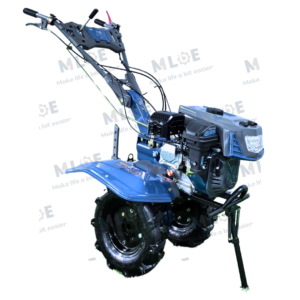
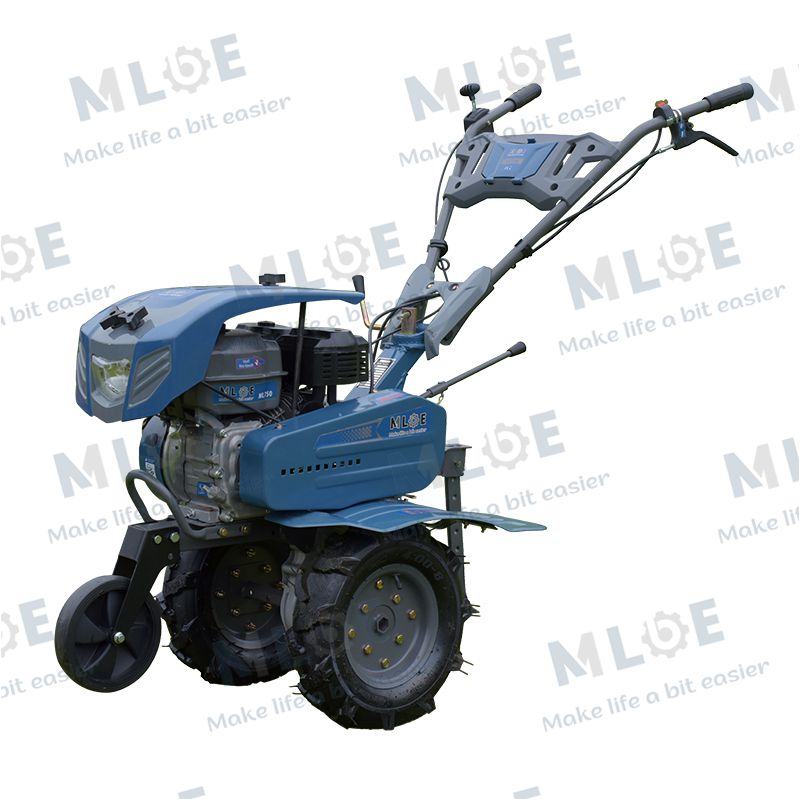
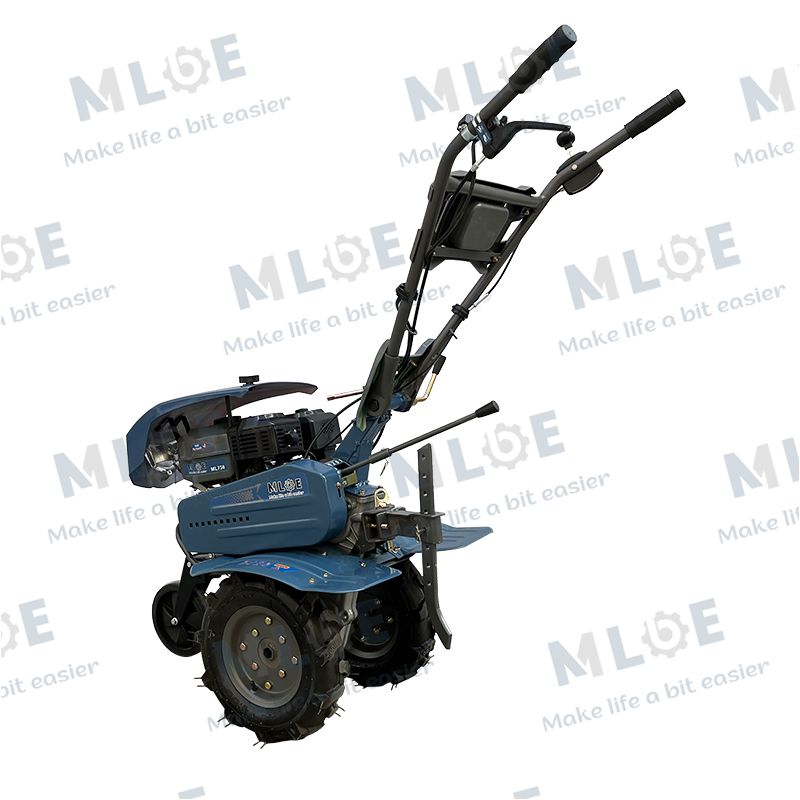
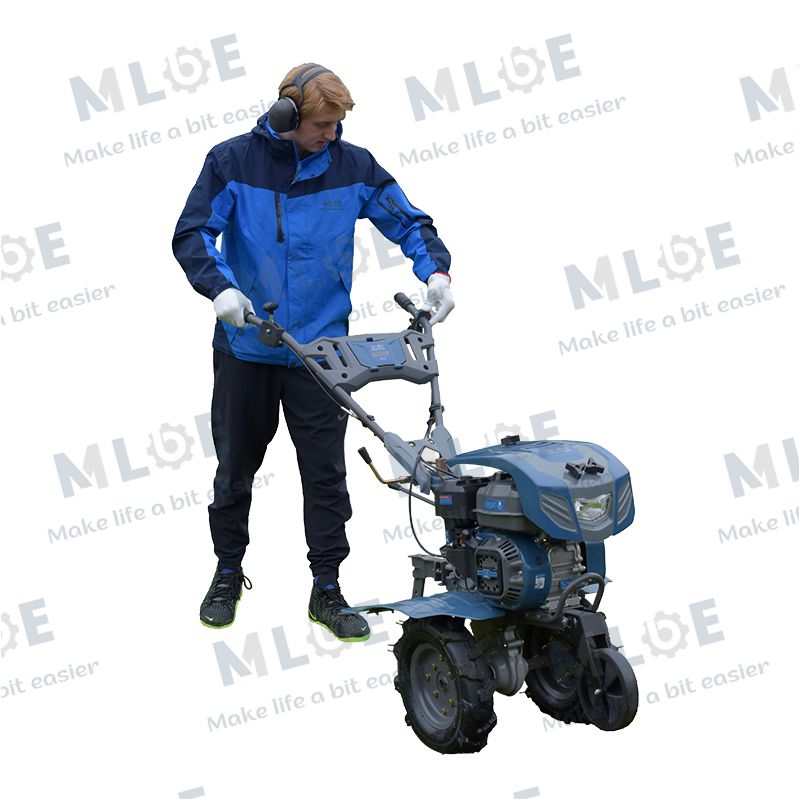
ML750C / ML900C: comparing belt-driven models
How should I choose between ML750C and ML900C?
Request separate configuration sheets showing the engine, working width, blade set and weight for each model. Compare them against the intended soil condition and workload, and confirm the belt and chain service-parts references.
Explore the gasoline power tiller range and gear versus belt-driven tiller guide. For configuration-specific documents, contact MLBE technical support.
MLBE ML750C / ML900C Belt-Driven Power Weeders
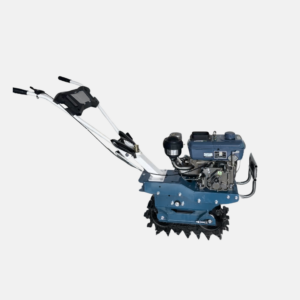
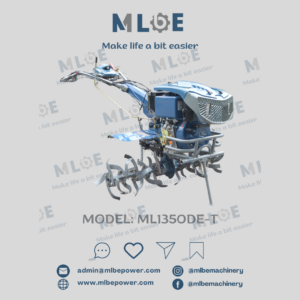
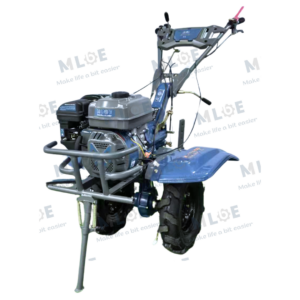
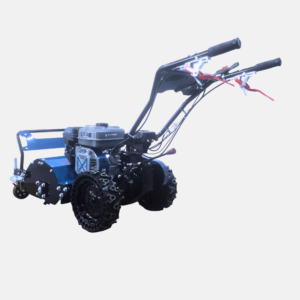
The MLBE ML750C and ML900C are belt-driven gasoline power weeders designed for garden cultivation and light agricultural soil preparation. Their extended chain gearbox and adjustable handlebar configuration are intended to provide practical manoeuvrability for routine field and garden work.
Key Features
- Belt-driven configuration for light cultivation and soil preparation
- Extended 56-section chain gearbox
- Euro-type handlebar with multi-direction adjustment
- Suitable for gardens, vegetable plots, orchards and light farm work
- Two model options for different market and application requirements
Typical Applications
The ML750C and ML900C can be used for soil loosening, seedbed preparation, inter-row cultivation and routine maintenance of previously worked ground. Model selection should reflect the intended workload, soil condition and preferred engine output.
For Importers and Dealers
Before ordering, confirm the selected model, engine specification, working width, attachments, packaging and spare-parts package. Final configurations should be matched to the destination market and intended use.