
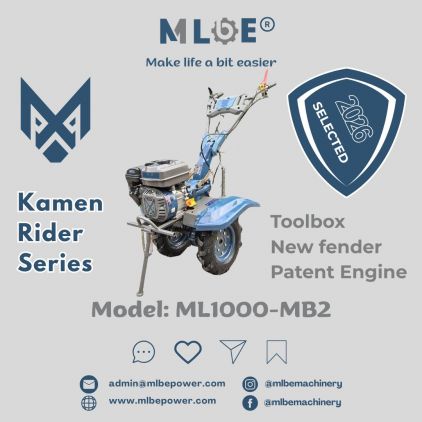
How to Choose the Right Power Weeder Machine Supplier in India
For Indian importers and dealers, a power weeder supplier should help define the machine, documentation and after-sales arrangements before the first shipment. Unit price matters, but parts availability, configuration consistency and the ability to investigate faults also affect the cost of supporting a dealer network.
Start with the power tiller range and the intended field application. This checklist explains what to compare when requesting quotations and planning a product range.
1. Define the Field Application
- Crop and row spacing.
- Soil condition, moisture and previous cultivation.
- Required working width and depth.
- Operating restrictions, access and transport.
- Attachments needed and their confirmed compatibility.
- Local servicing capability and operator instructions.
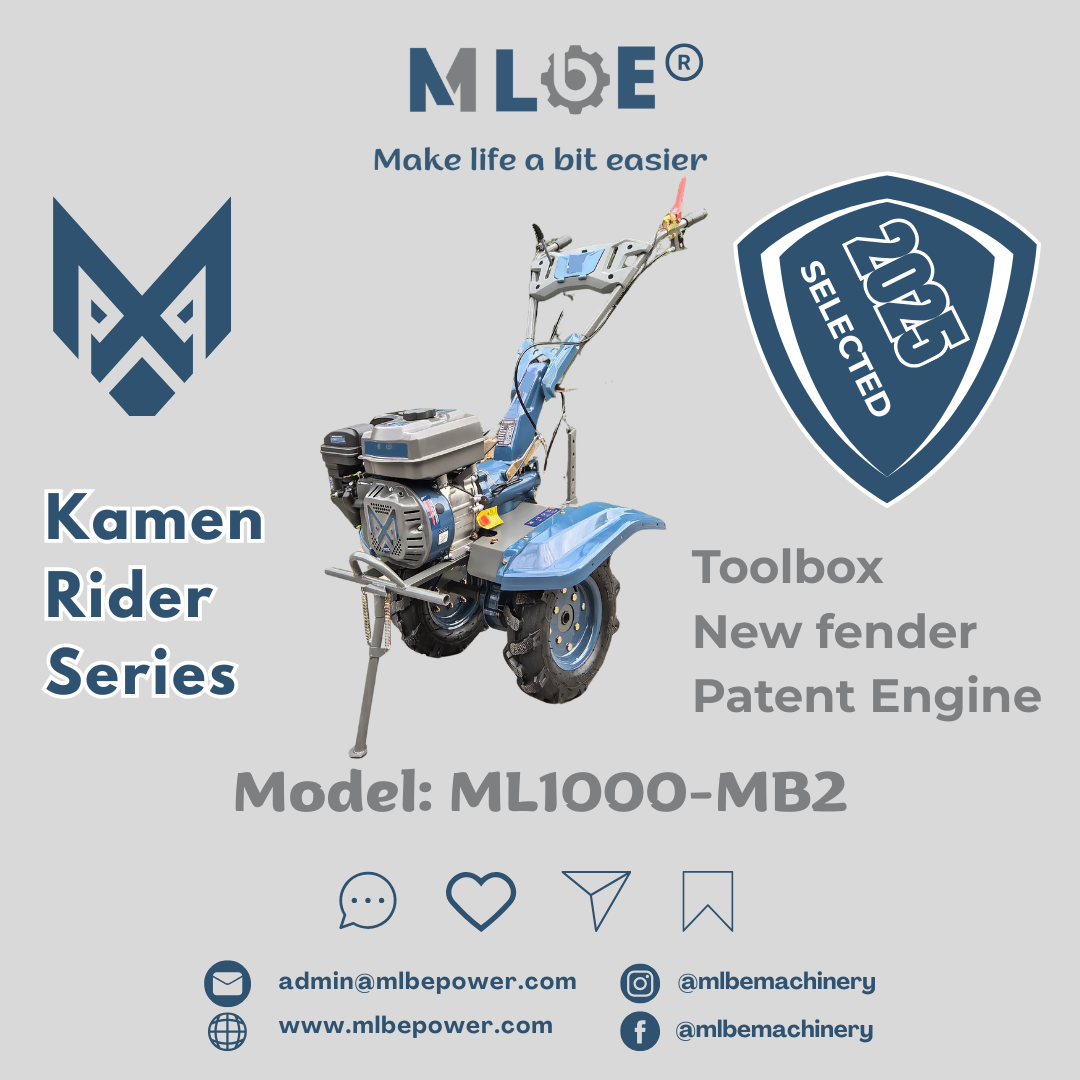
For a petrol power weeder, compare the exact engine and transmission configuration rather than relying on a horsepower label alone.
2. Compare Like-for-Like Prices
Ask for dated quotations with the same included equipment and delivery basis. A local retail advertisement, an export quotation and a landed-cost estimate are different measures. Promotional prices and older online listings should not be presented as current market-wide prices.
Confirm whether the engine, blades, wheels, attachments, tools, packaging and spare-parts kit are included. Record quotation validity and quantity requirements so a low headline figure can be evaluated fairly.
3. Separate Machine Cost, Landed Cost and Retail Price
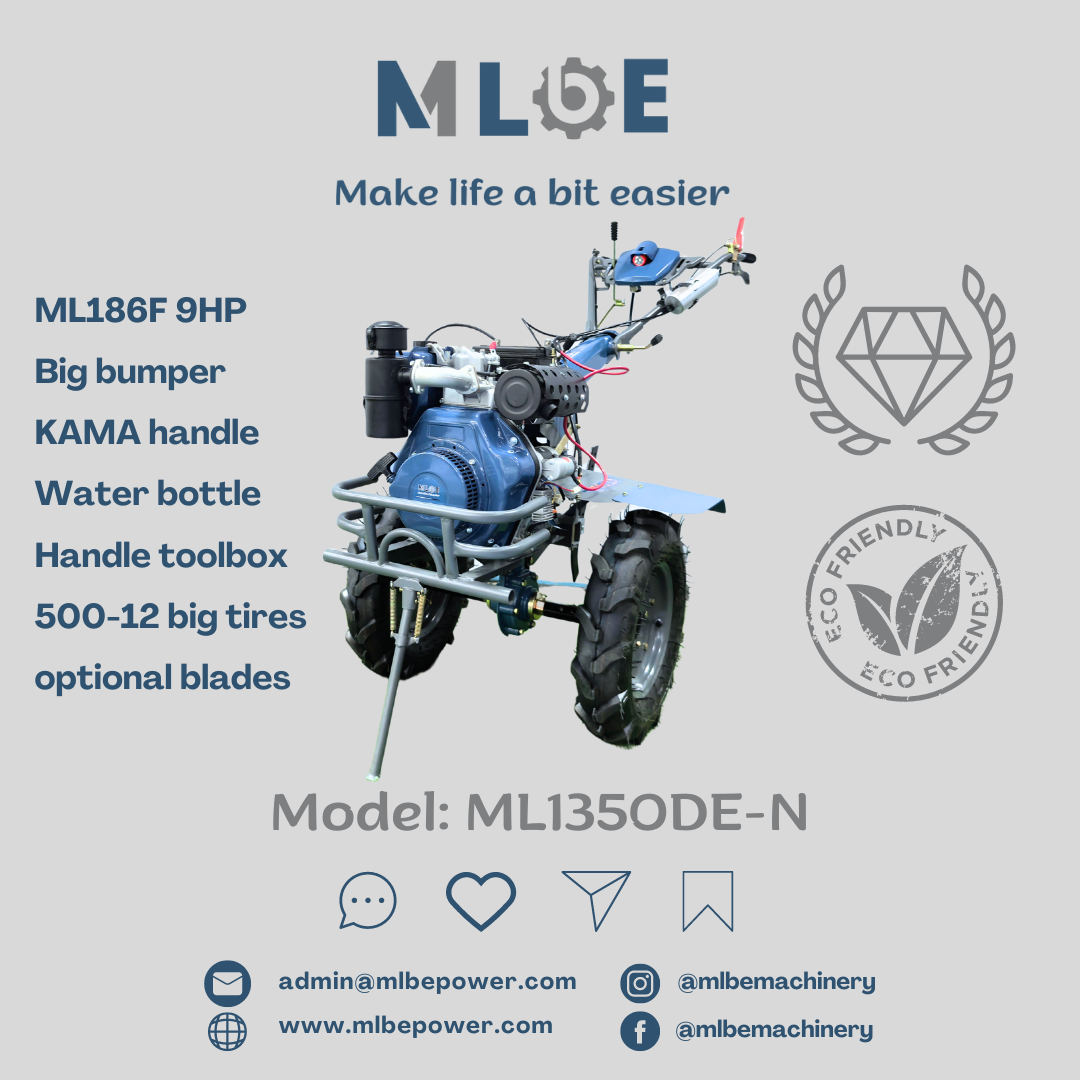
The supplier quotation should identify the engine, transmission, accessories, quantity and agreed delivery terms. Landed cost then adds the applicable freight, insurance, clearance, local charges and inland transport. Dealer pricing must also account for assembly, service, parts stock and warranty handling.
Have the importer and its customs adviser confirm the classification and destination requirements for the actual configuration. Do not assign one classification or tax rate to every machine and spare part.
4. Request Relevant Documentation
Ask for a stable specification sheet, model identification, parts references, operating instructions and the inspection or test records agreed for the order. If a buyer requires formal testing or scheme eligibility in India, confirm the current requirements with the responsible authority before claiming compliance. A supplier’s general brochure is not proof of model approval.
5. Agree on Spare-Parts Support
For each power tiller model, obtain a parts list or diagram and identify likely service items such as belts, cables, seals and blades. Confirm the ordering process, lead times and any availability commitment in writing. Include model and serial numbers in fault reports so replacement parts can be matched correctly.
6. Build a Range with Clear Differences
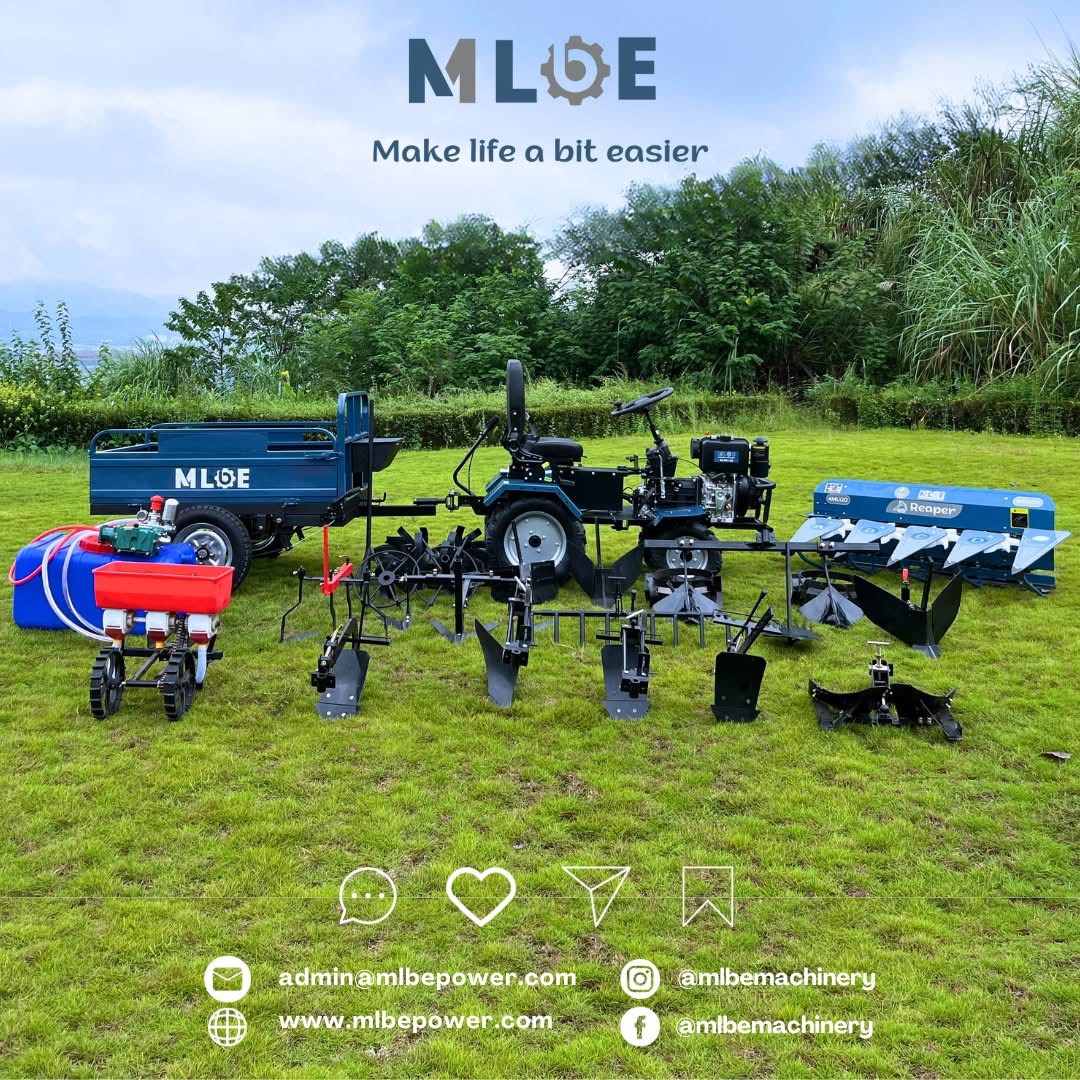
Instead of assigning an unsupported universal dollar price to a machine type, build a configuration-based range:
- Compact option: selected for restricted access and the required working width.
- Core option: a defined engine, transmission, blade and wheel package for common customer applications.
- Alternative configuration: different starting, transmission or attachment options where the customer needs them.
Compare the petrol and diesel power tiller ranges using actual model specifications. Explain the practical difference between the options rather than assuming that higher horsepower guarantees better field results.
7. Confirm the Order in Writing
| Area | Confirmation to request |
|---|---|
| Configuration | Engine, transmission, blades, wheels, attachments and model suffix. |
| Inspection | Acceptance criteria, sampling or test scope and records. |
| Documentation | Manuals, parts references, labelling and destination-specific evidence. |
| Commercial terms | Quantity, quotation validity, packaging and delivery basis. |
| After-sales support | Warranty scope, fault-reporting procedure and parts arrangements. |
Diesel tiller options for an importer enquiry
For buyers also evaluating diesel equipment, use these model pages to compare starting arrangements, transmission and controls. Confirm the final model designation and power rating in writing where the page information needs clarification.
- ML1350DE Gear-Driven Diesel Power Tiller
- ML-1350D-T Diesel Power Tiller
- ML1350DE-T 15HP Diesel Power Tiller
Prepare Your MLBE Enquiry
Chongqing MLBE Mechanical & Equipment Co., Ltd. supplies equipment for international importers and dealers. Send the target crop and soil conditions, preferred configuration, order quantity and spare-parts requirements to MLBE.
For a practical transmission comparison, read the 7 HP power weeder guide. Existing equipment owners can use technical support to request model-specific information.